
Maintaining proper humidity levels in your basement is essential for protecting your home from moisture damage, mold growth, and poor air quality. Selecting the right dehumidifier can be challenging, with various options available on the market. This guide will help you choose the best dehumidifier for your basement while ensuring long-term efficiency and performance.
Why Basement Dehumidifiers Are Essential
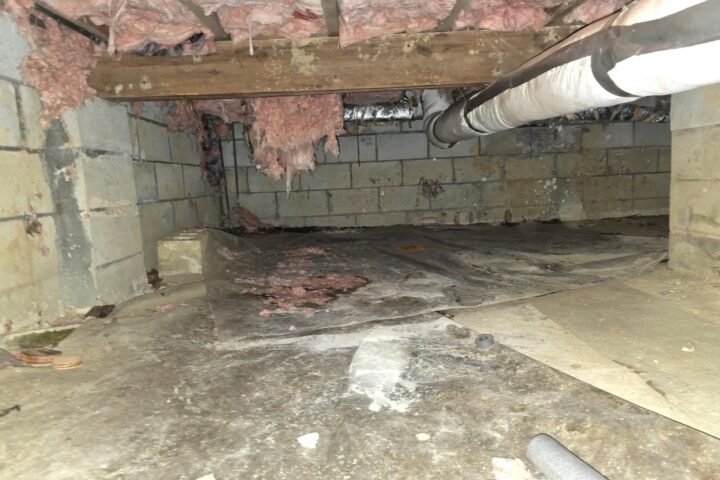
Basements and crawl spaces are prone to high humidity levels due to their location below ground and limited ventilation. Excessive moisture in your basement can lead to:
- Mold and Mildew Growth: Promotes allergens and reduces air quality.
- Structural Damage: Weakens wooden supports and corrodes metal components.
- Health Risks: Increases respiratory issues, especially in sensitive individuals.
- Unpleasant Odors: Caused by moisture buildup and mold growth.
A high-quality dehumidifier helps control humidity levels, preventing these issues and improving the overall comfort and safety of your home.
Key Features to Look for in a Basement Dehumidifier
1. Capacity
Dehumidifier capacity is measured in pints of moisture removed per day. The ideal capacity depends on the size of your basement and the humidity level. Common classifications include:
- Small-Capacity Units: Suitable for smaller spaces or slightly damp basements.
- Medium-Capacity Units: Ideal for moderate humidity levels.
- Large-Capacity Units: Designed for large basements with high humidity levels or persistent dampness.
2. Coverage Area
Ensure the dehumidifier’s coverage matches the square footage of your basement. Models typically specify their coverage area in square feet, so measure your basement to select an appropriate unit.
3. Drainage Options
Dehumidifiers collect water in a tank or expel it through a hose. Key drainage options include:
- Manual Tank Emptying: Requires regular emptying of the collection tank.
- Continuous Drainage: Uses a hose to direct water to a floor drain or sink for hassle-free operation.
- Pump-Assisted Drainage: Ideal for basements without floor drains, as the pump expels water to a higher elevation.
4. Energy Efficiency
Look for an Energy Star-rated dehumidifier to minimize electricity costs while ensuring effective moisture removal. Energy-efficient models save money over time and reduce your environmental footprint.
5. Humidity Control Settings
Adjustable humidity settings allow you to maintain optimal levels, typically between 30-50%. Look for models with digital displays and programmable controls for precision.
6. Noise Level
Consider the noise level if the dehumidifier is near living spaces. Modern units often feature quiet operation, with decibel ratings available in product specifications.
7. Durability and Build Quality
Basement environments can be harsh, so choose a dehumidifier with robust materials and components. Stainless steel coils and corrosion-resistant features are ideal for long-lasting performance.
Additional Features to Consider
- Auto-Restart Function: Restarts the unit after a power outage.
- Filter Indicators: Alerts you when the filter needs cleaning or replacement.
- Frost Control: Prevents coils from freezing in cooler basements.
- Portability: Models with wheels or handles are easier to move and reposition.
Choosing a Dehumidifier for Ohio Basements
Ohio’s humid climate makes effective moisture control crucial. Basements in Ohio often experience high humidity due to seasonal rainfall and fluctuating temperatures. Selecting a high-capacity, energy-efficient dehumidifier with reliable drainage options is essential for maintaining a dry and healthy space.
Benefits of Professional Dehumidifier Installation
While purchasing a dehumidifier is a significant step, professional installation ensures optimal performance and integration with your home’s existing systems. A professional can:
- Assess your basement’s unique conditions.
- Recommend the best unit for your needs.
- Ensure proper placement and drainage setup.
- Provide routine maintenance to extend the unit’s lifespan.
Pro Crawl Space Repair, located in Columbia Station, Ohio, specializes in crawl space and basement solutions, including dehumidifier installation. Their expertise ensures that your basement remains dry and protected from moisture-related issues.
Routine Maintenance Tips for Dehumidifiers
- Clean the Filter Regularly: Prevent clogs and ensure efficient operation.
- Inspect the Drainage System: Check hoses and pumps for blockages or leaks.
- Monitor Humidity Levels: Use a hygrometer to ensure your dehumidifier maintains optimal conditions.
- Schedule Annual Servicing: Professional maintenance helps identify and resolve potential issues early.
Conclusion
Selecting the right dehumidifier for your basement requires careful consideration of factors like capacity, drainage options, and energy efficiency. By investing in a high-quality unit and ensuring proper installation, you can protect your home from moisture damage, improve indoor air quality, and enhance your living environment. For expert guidance and services, trust Pro Crawl Space Repair to provide customized solutions tailored to your basement’s needs.