
Effective yard drainage is essential for protecting your home or building from water damage and maintaining a healthy landscape. Poor drainage will often lead to water pooling around your buildings foundation, basement flooding, and long-term structural damage. Implementing the right drainage solutions ensures water is directed away from your home, safeguarding its integrity and enhancing your outdoor space.
Why Yard Drainage Matters
Preventing Foundation Damage
Excess water near your home’s foundation will increase hydrostatic pressure, which can lead to cracks and leaks in basement walls. Proper drainage alleviates this pressure, protecting your foundation from long-term damage.
Reducing Soil Erosion
Inadequate drainage causes surface water to flow uncontrollably, washing away topsoil and destabilizing landscaping features. Effective drainage systems prevent erosion and preserve your yard’s aesthetics and functionality.
Preventing Basement Flooding
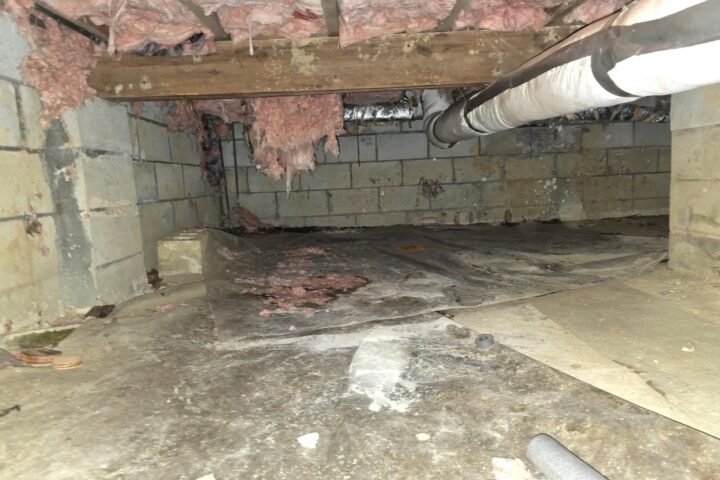
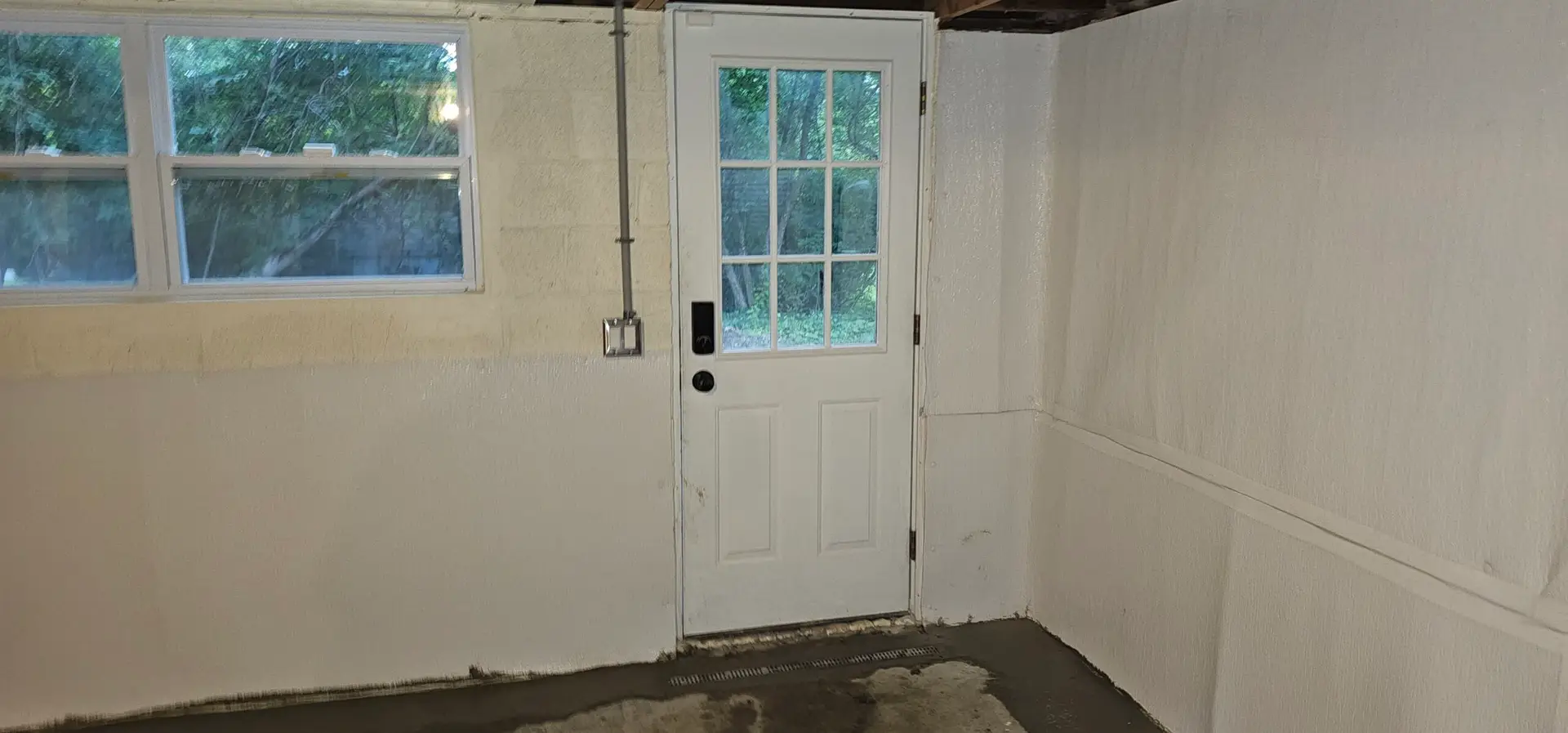
Water pooling near your foundation often seeps into the basement, causing flooding, mold growth, and structural issues. Yard drainage systems redirect this water, ensuring your basement remains dry and safe.
Protecting Landscaping Investments
Poor drainage can drown plants, kill grass, and disrupt gardens. Ensuring water flows away from landscaped areas protects your investment and maintains the health of your greenery.
Key Yard Drainage Solutions
French Drains
A French drain is a trench filled with gravel or rock containing a perforated pipe that redirects water away from your home. These systems are ideal for managing surface and groundwater, preventing water from pooling near the foundation.
Downspout Extensions
Extending downspouts ensures water is carried far away from your home, reducing the risk of pooling around the foundation. Downspout extensions are an easy and cost-effective solution for improving yard drainage.
Swales and Grading
Swales are shallow, sloped channels designed to redirect water away from your property. Combined with proper grading, swales ensure water flows naturally toward designated drainage areas.
Dry Wells
Dry wells collect and store excess water, allowing it to infiltrate the ground slowly. A dry well moves the water from surface runnoff underground into the ground water. This method prevents water from overwhelming your yard and foundation during heavy rainfall.
Catch Basins
Catch basins are installed in low points of your yard to collect surface water and direct it into an underground drainage system. They are particularly effective for addressing localized flooding in flat landscapes.
Professional Yard Drainage Installation
Tailored Solutions for Your Home
Every property has unique drainage challenges, from sloping landscapes to high water tables. Professional installation ensures a customized approach that addresses your specific needs. Companies like Pro Crawl Space Repair, based in Columbia Station, Ohio, specialize in comprehensive waterproofing and drainage solutions to protect your home.
Ensuring Long-Term Effectiveness
Professionals use high-quality materials and proven techniques to create durable drainage systems. Regular maintenance and professional expertise ensure your yard drainage solutions remain effective for years to come.
Signs of Poor Yard Drainage
Persistent Water Pooling
If water consistently collects in specific areas of your yard after rainfall, it’s a clear indication of inadequate drainage.
Foundation Cracks
Visible cracks in your home’s foundation or basement walls may result from excess hydrostatic pressure caused by poor drainage.
Soggy Lawns
Lawns that remain wet for extended periods after rainfall suggest improper water flow, which can lead to soil compaction and plant damage.
Flooded Basements
Frequent basement flooding is often linked to water pooling around the foundation due to insufficient yard drainage.
Maintenance Tips for Effective Drainage
Clean Gutters and Downspouts
Ensure gutters are free of debris and downspouts direct water away from your home. Regular cleaning prevents blockages and improves water flow.
Monitor Low Spots
Identify and address low spots in your yard where water tends to collect. Filling these areas with soil or installing drainage solutions prevents pooling.
Inspect Drainage Systems
Regularly check French drains, catch basins, and other systems for clogs or damage. Prompt repairs ensure continued effectiveness.
Maintain Proper Grading
Ensure the soil around your home slopes away from the foundation to encourage water flow and prevent pooling.
Conclusion
Effective yard drainage is a vital component of a comprehensive waterproofing strategy. By implementing the right drainage solutions and maintaining them regularly, you can protect your home’s foundation, prevent basement flooding, and preserve your landscaping. Professional services tailored to your property’s needs ensure long-term effectiveness and peace of mind.