
Radon is a naturally occurring radioactive gas that often enters homes through cracks in the foundation, walls, and floors. Prolonged exposure to high radon levels poses significant health risks, such as an increased likelihood of lung cancer. Crawl space encapsulation has emerged as an effective method for managing moisture and improving indoor air quality, but can it also help reduce radon levels? Here, we explore the relationship between crawl space encapsulation and radon mitigation.
Understanding Radon and Its Risks
What Is Radon?
Radon is a colorless, odorless, and tasteless gas created from the decay of uranium in soil, rock, and water. It seeps into homes through foundational gaps and accumulates in enclosed spaces such as basements and crawl spaces.
Health Risks of Radon Exposure
-
Lung Cancer: Radon is the second leading cause of lung cancer in the United States, according to the Environmental Protection Agency (EPA).
-
Chronic Respiratory Issues: Long-term exposure can exacerbate asthma and other respiratory conditions.
-
Children at Greater Risk: Children’s developing lungs make them more vulnerable to the harmful effects of radon.
Radon in Ohio Homes
Ohio is considered a high-risk state for radon due to its soil composition. Many homes, particularly those with crawl spaces, are vulnerable to elevated radon levels.
How Crawl Space Encapsulation Works
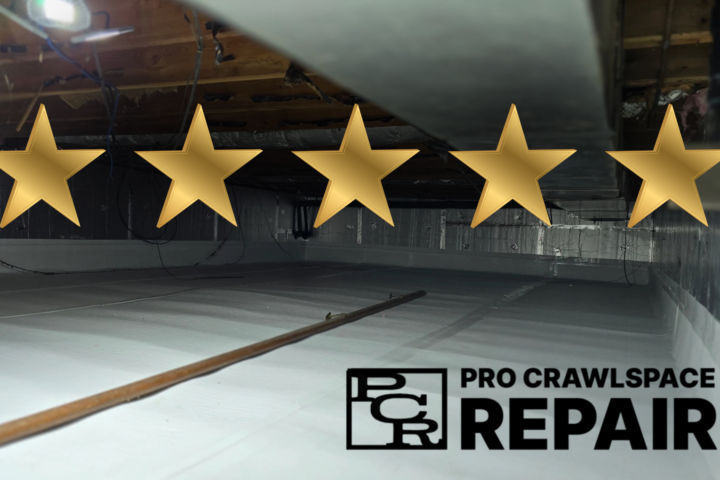
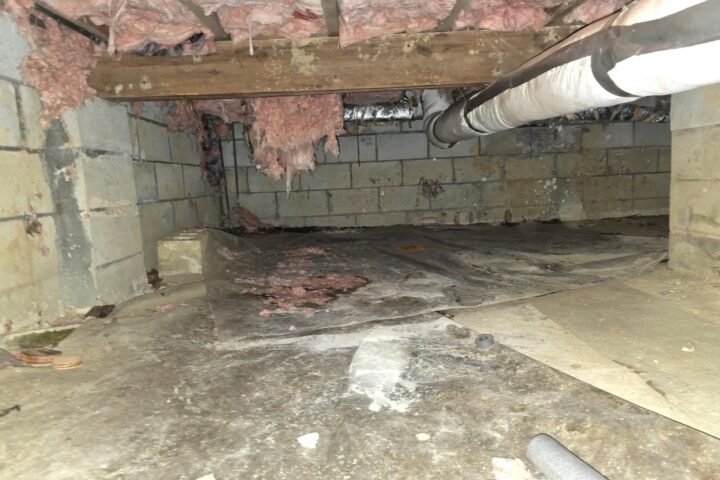
Crawl space encapsulation is comprised of sealing the area with a heavy-duty vapor barrier to block moisture, improve energy efficiency, and enhance indoor air quality. Encapsulation typically includes:
-
Installation of a polyethylene vapor barrier on walls, floors, and piers.
-
Sealing vents and other openings to prevent outside air and contaminants from entering.
-
Adding a dehumidifier to maintain optimal humidity levels.
The Connection Between Crawl Space Encapsulation and Radon Reduction
Reducing Radon Entry Points
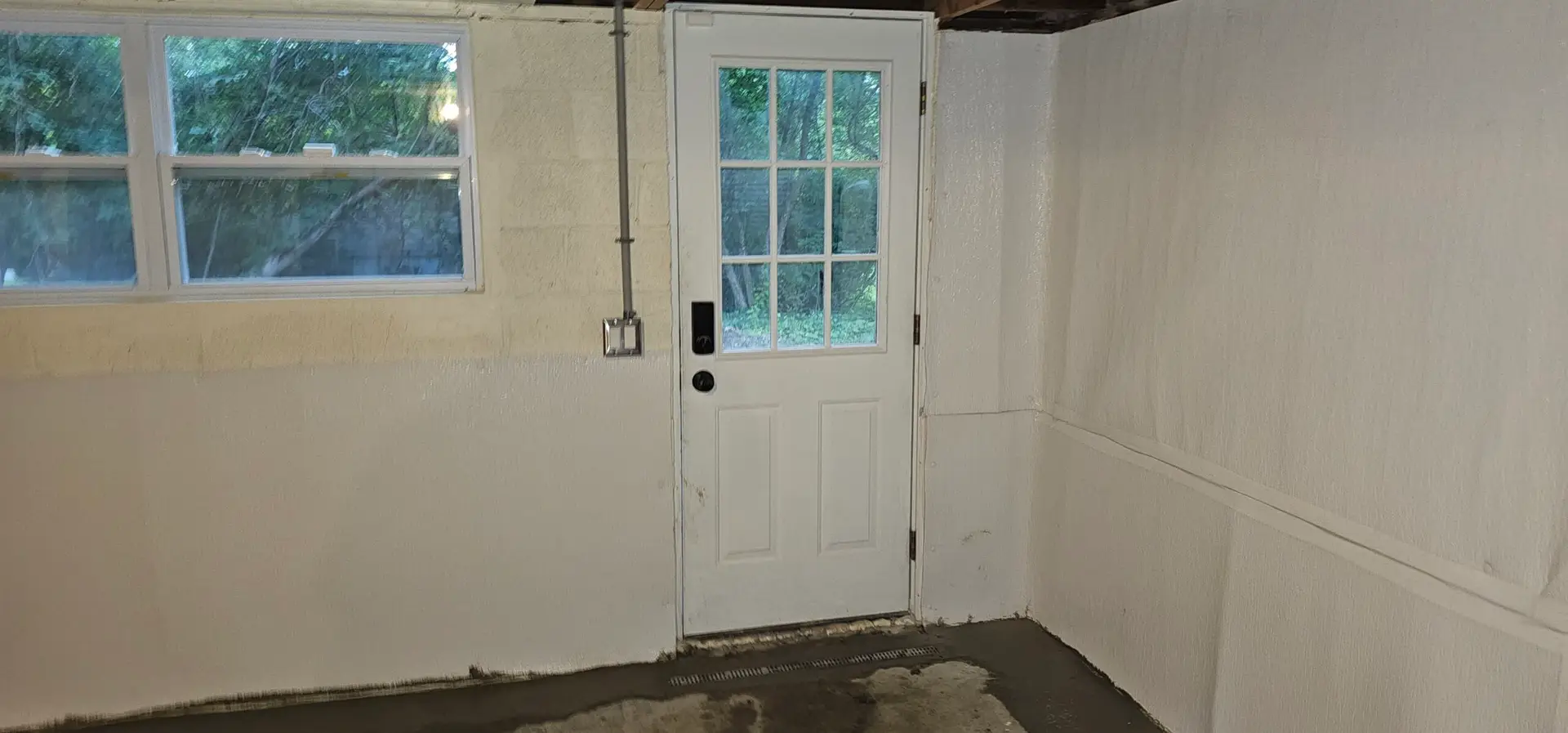
Encapsulation creates a physical barrier that seals cracks and gaps in the crawl space’s foundation, reducing radon entry points. By limiting the pathways through which radon can seep into your home, encapsulation helps lower overall radon levels.
Improved Air Pressure
Sealing the crawl space reduces negative air pressure, which can otherwise draw radon gas from the ground into your home. Encapsulation helps stabilize pressure levels and minimizes the suction effect that pulls radon indoors.
Vapor Barrier Effectiveness
While vapor barriers are primarily designed to block moisture, their impermeable nature can also slow the transfer of radon gas through the soil into your crawl space.
Complementing Radon Mitigation Systems
Crawl space encapsulation works effectively alongside radon mitigation systems, such as sub-slab depressurization. Together, these methods provide comprehensive protection against radon infiltration.
Steps to Ensure Effective Encapsulation
Conduct a Radon Test
Before encapsulating your crawl space, test for radon levels using a certified radon detection kit or by hiring a certified radon mitigation professional. This provides a baseline measurement to evaluate the effectiveness of encapsulation.
Choose High-Quality Materials
Opt for durable polyethylene vapor barriers with a minimum thickness of 10-20 mils. High-quality materials ensure long-lasting results and better radon mitigation.
Seal All Entry Points
Ensure that all cracks, gaps, and vents are properly sealed during the encapsulation process. This prevents radon and other contaminants from entering the space.
Install a Dehumidifier
Maintaining low humidity levels is critical for preventing mold growth and improving air quality. Dehumidifiers do not remove or prevent radon gas, but they do have plenty of other benefits. If you have an active radon mitigation system installed in your crawlspace a dehumidifier will help prevent moisture damage to that system. Dehumidifiers also help protect the structure of your home.
Retest After Encapsulation
After completing the encapsulation process, retest your home for radon levels to confirm the effectiveness of the solution.
Additional Radon Mitigation Strategies
Sub-Slab Depressurization
This system involves installing a vent pipe and fan beneath the foundation to draw radon gas out of the soil and vent it safely outside the home.
Active Soil Depressurization (ASD)
ASD systems work similarly to sub-slab depressurization but are tailored for crawl spaces. They actively reduce radon levels by ventilating soil gases directly from the crawl space. Commonly they are comprised as a network of pipes under the encapsulation membrane and connected to a vent fan which draws soil gasses safely out of the crawl space.
Sealing Foundation Cracks
In addition to encapsulation, sealing cracks in the foundation’s walls and floors further limits radon infiltration.
Improve Ventilation
Proper ventilation reduces the accumulation of radon gas indoors. Consider installing a high-quality heat recovery ventilator (HRV) to improve airflow while maintaining energy efficiency.
Professional Crawl Space Encapsulation Services
Crawl space encapsulation requires precision and expertise to ensure optimal results. Professional contractors assess your home’s unique conditions and implement tailored solutions to reduce radon levels effectively. Pro Crawl Space Repair, located in Columbia Station, Ohio, specializes in encapsulation, venting, drainage and dehumidifiers, however we are not certified radon mitigation specialists. If you suspect radon in your home we will gladly help you find a licensed mitigation specialist. Our mission is to ensure a safer and healthier living environment for homeowners like yourself.
Conclusion
Crawl space encapsulation is a valuable method for managing moisture and enhancing indoor air quality, and it also plays a significant role in reducing radon levels. By sealing entry points, stabilizing air pressure, and combining encapsulation with other radon mitigation strategies such as depressurization, homeowners can protect their families from the harmful effects of radon gas. Proactive measures and professional services ensure long-term safety and peace of mind for Ohio residents.